Choosing among the 2026 best private label clothing manufacturers requires more than comparing attractive websites. A polished catalog does not guarantee consistent stitching, accurate sizing, or reliable delivery. This guide examines Private label clothing manufacturing through practical, buyer-focused criteria. These include fabric quality, sampling procedures, minimum order quantities, production capacity, communication, and documented quality controls.
Real experience often begins with one sample. A soft cotton shirt may still shrink after washing. A carefully printed logo may crack during testing. Small details matter. Stitch density matters. So does the factory’s response when something goes wrong. The strongest manufacturers should explain their processes clearly and provide realistic timelines. They should also support responsible sourcing, safe workplaces, and applicable product standards.
There is no universal “best” supplier. The right choice depends on your product, budget, market, and order volume. A startup may need low minimums and flexible development support. An established retailer may prioritize automation, larger capacity, and stable replenishment. Certifications can support trust, but they should be verified rather than accepted blindly. References and recent samples can reveal more than promises.
This shortlist will not be perfect. Supplier performance can change. Delays happen. Even experienced buyers make costly assumptions. By comparing evidence, asking specific questions, and testing samples before large orders, brands can reduce avoidable risks. The goal is not simply to find a manufacturer. It is to build a transparent production partnership that can grow responsibly in 2026.
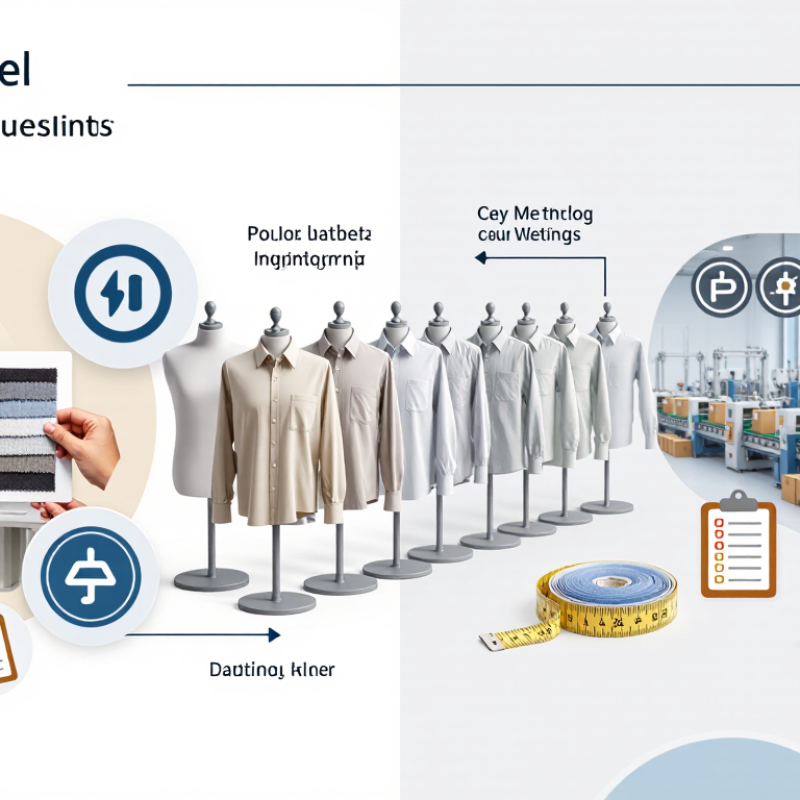
Private label clothing manufacturing in 2026 means more than adding a custom label to a ready-made garment. It involves developing products around a retailer’s design, quality, pricing, and customer expectations. Manufacturers now support digital sampling, smaller production runs, material sourcing, packaging, and shipment coordination. The relationship feels closer to product development than simple factory purchasing.
Reliable manufacturers should explain fabric composition, grading rules, production capacity, and inspection methods clearly. Ask for physical samples, not only attractive digital images. Check stitching density, seam strength, shrinkage, color consistency, and wash performance. Documentation matters too. Fiber content, care instructions, supplier records, and factory audits help reduce avoidable risks. Requirements can differ between markets, so a responsible supplier checks current textile and labeling rules before production begins.
The process is not flawless. A sample may look excellent but fail after repeated washing. A low minimum order can hide higher unit costs. Delivery estimates can also change when fabric availability shifts. Good manufacturers discuss these weaknesses early instead of promising perfection. Keep written approval records, test pre-production samples, and inspect a random portion of finished goods. In 2026, private label manufacturing also includes responsible material choices, clearer supply-chain communication, and practical data tracking. Technology helps, but experienced human review still catches uneven hems, inaccurate measurements, and small color differences. That combination is easy to underestimate.
Choosing a private label clothing manufacturer requires more than comparing prices. Evaluate the factory’s actual production ability, not just its website. Request recent product samples, fabric specifications, size charts, and stitching details. Check whether the sample matches the promised quality after washing. Small details matter, such as clean seams, accurate labels, and consistent measurements. Ask about minimum order quantities, lead times, payment terms, and quality-control procedures. Clear answers usually indicate stronger operational experience.
Tips: Visit the facility when possible, or request a live video inspection. Review production photos carefully. Ask who manages fabric sourcing, pattern development, sampling, and final inspection. Verify documented testing and compliance records for the markets where you plan to sell. A reliable manufacturer should explain delays honestly and provide realistic timelines. Very low prices deserve careful questioning. They may hide weaker materials, rushed work, or unstable production capacity.
Communication is another practical test. Send a detailed specification sheet and observe how the team responds. Do they identify missing information, or simply agree with everything? I once underestimated the importance of sample revisions; one small sleeve adjustment later affected the entire size range. That mistake was avoidable. Still, no evaluation is perfect. Production conditions can change, so use written approvals, inspection checkpoints, and measurable quality standards. Trust should develop through evidence, not confident promises.
2026 Best Private Label Clothing Manufacturers?
Leading private label clothing manufacturers now offer more than sewing. Strong partners support design refinement, fabric sourcing, pattern grading, sampling, production, quality control, and freight coordination. Their technical team should explain shrinkage, colorfastness, seam strength, and wash testing clearly. Textile Exchange’s Materials Market Report 2024 reported that global fiber production reached 124 million tonnes in 2023. It may reach 160 million tonnes by 2030. This makes material traceability and recycled-fiber documentation increasingly important.
A reliable manufacturer also manages minimum order quantities, production schedules, inspection records, and corrective actions. Ask for a pre-production sample with exact measurements. Samples reveal reality. Factory experience shows that a beautiful prototype can still fail after washing. Independent inspection can check stitching, labels, measurements, and carton packing before shipment. The International Labour Organization emphasizes decent work and responsible purchasing practices across garment supply chains. Therefore, supplier transparency should include facility details, documented procedures, and realistic lead times. A rushed promise is not a service advantage.
Tips: Request a fabric test report, size-set sample, and written quality standard. Confirm who pays for rejected goods. Compare unit cost with development fees, sampling time, and shipping. Do not choose only by price. A small pilot order may expose weaknesses early, although it can increase the per-unit cost. That trade-off deserves honest review.
2026 Best Private Label Clothing Manufacturers?
Compliance, Quality Control, and Sustainable Production Standards
Choosing a private label clothing manufacturer in 2026 requires more than comparing prices. A reliable partner should explain factory locations, worker protections, material origins, and production controls. Ask for current compliance records, independent audit reports, and evidence of lawful employment practices. Paperwork is not proof. Review dates, audit scope, and corrective actions carefully.
Quality control should begin with fabric inspection, not the final packing table. Manufacturers should test shrinkage, colorfastness, seam strength, and wash performance before bulk production. A practical check includes measuring sample garments after washing and comparing them with approved specifications. Small defects matter. Clear tolerance limits reduce disputes and prevent inconsistent sizing. I have found that detailed inspection sheets often reveal more than polished factory presentations.
Sustainable production needs measurable evidence. Look for recycled or responsibly sourced fibers, reduced-water dyeing, efficient cutting plans, and documented waste handling. Ask how fabric scraps are separated and where wastewater is treated. “Eco-friendly” alone proves very little. A strong supplier can share material certificates, energy data, and shipment-level traceability. Still, no factory is perfect. Some reports may be incomplete, and carbon claims can be difficult to verify. Treat uncertainty as a reason to investigate further, not ignore it. Regular inspections, realistic production timelines, and transparent communication create stronger results than impressive promises.
Choosing the right manufacturer starts with your product, not a supplier list. Define your fabric weight, measurements, stitching details, labels, packaging, and target retail price. A reliable factory should explain what it can produce clearly. Vague promises deserve caution.
Request samples before discussing large production runs. Check seam strength, shrinkage, color consistency, and fit after washing. Ask for the sample timeline, minimum order quantity, payment schedule, and production capacity. Visit the facility when practical, or request current workshop photos and video evidence. Independent quality checks can reveal problems early. I once trusted a polished sample without testing its wash performance. That decision looked efficient. It was not.
Communication matters as much as equipment. Notice how quickly the manufacturer answers technical questions. Does one person track your revisions? Are measurements recorded in a shared document? Ask how defective pieces are separated and corrected. Request references from businesses with similar product types and order volumes. Review their experience with material sourcing, quality control, and delivery planning. A lower price may hide weak inspection or inconsistent fabric. Build a realistic timeline with room for revisions, holidays, and shipping delays. Your first choice may still need changing after the pilot run. That is normal.
Prepare fabric weight, measurements, stitching details, labels, packaging, and target retail price. Be specific. Vague requests create avoidable confusion.
Samples reveal seam strength, fabric feel, shrinkage, color consistency, and fit. Wash the sample before approving production. Appearance alone can mislead.
Ask about minimum order quantities, sample timelines, payment schedules, production capacity, and delivery estimates. Request realistic dates, not optimistic guesses.
Visit the facility when practical, or request a live video inspection. Review current workshop photos carefully. Look for organized cutting, sewing, and inspection areas.
The team should identify missing specifications instead of agreeing with everything. One person should track revisions. Written records help prevent forgotten details.
Ask how defective pieces are separated, corrected, and recorded. Use inspection checkpoints and measurable standards. Independent checks may reveal problems early.
Low prices may reflect weaker fabric, rushed stitching, or unstable production capacity. Ask what materials and inspections are included. Cheap is not always efficient.
Include time for sampling, revisions, holidays, production, inspection, and shipping. Delays happen. My previous sleeve adjustment affected the entire size range, so plan carefully.
Yes, request references involving similar products and order volumes. Ask about material sourcing, quality consistency, and delivery performance. One reference is not enough evidence.
Yes, changing suppliers may be sensible after testing. Review wash results, measurements, defects, and communication. The first choice can be wrong. That is normal.
In 2026, private label clothing manufacturing enables fashion businesses to create garments under their own brand identity while relying on specialized manufacturers for development and production. The process may include design support, fabric sourcing, pattern making, sampling, custom labels, packaging, and scalable bulk production. When evaluating potential partners, brands should consider manufacturing experience, communication, minimum order quantities, production capacity, lead times, pricing transparency, and the ability to maintain consistent quality across different product lines.
Leading manufacturers should demonstrate strong quality control, accurate sizing, reliable material inspection, and clear approval procedures before production begins. Compliance with workplace, product safety, environmental, and trade requirements is also essential, while sustainable practices such as responsible material sourcing, reduced waste, efficient energy use, and ethical labor standards can strengthen long-term business value. The right partner should match a clothing brand’s design goals, budget, quality expectations, order volume, timeline, and growth plans, creating a dependable foundation for future collections.